Why Molded Fiber Is Having Its Moment And Why It’s Not Going Away
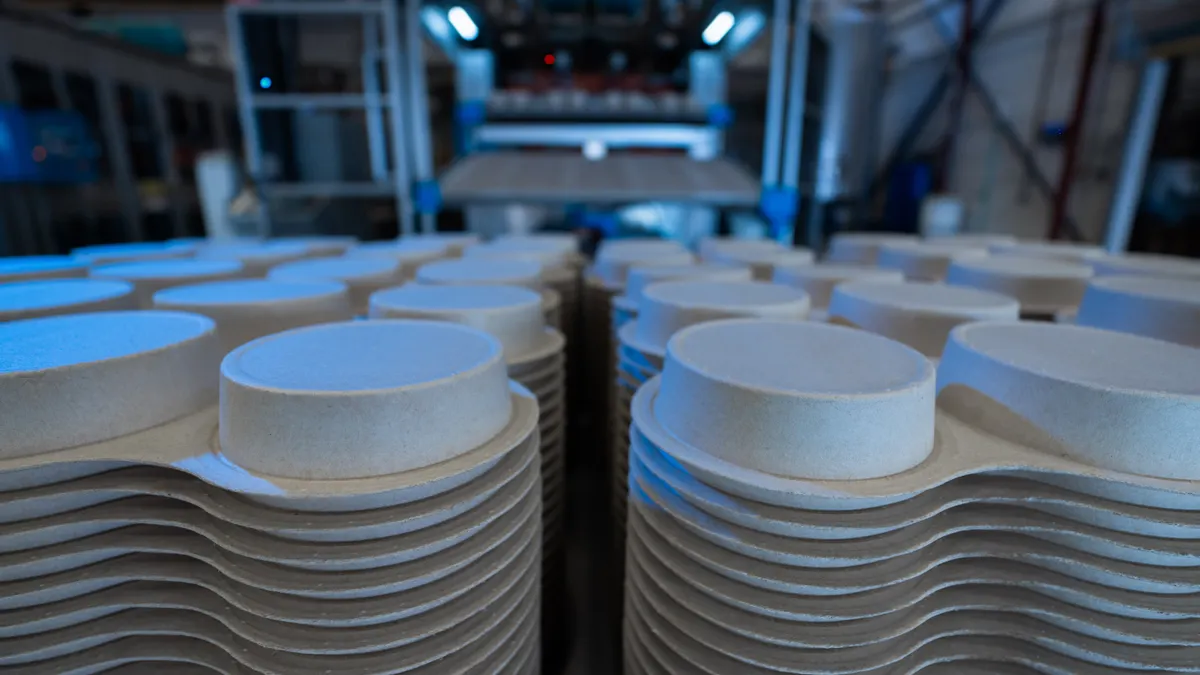
Molded fiber has been around for decades, used quietly in egg cartons and wine shippers, but this year it has starred in some of the most design-forward packaging on the shelf. Though the material isn’t new, what brands are doing with it is.
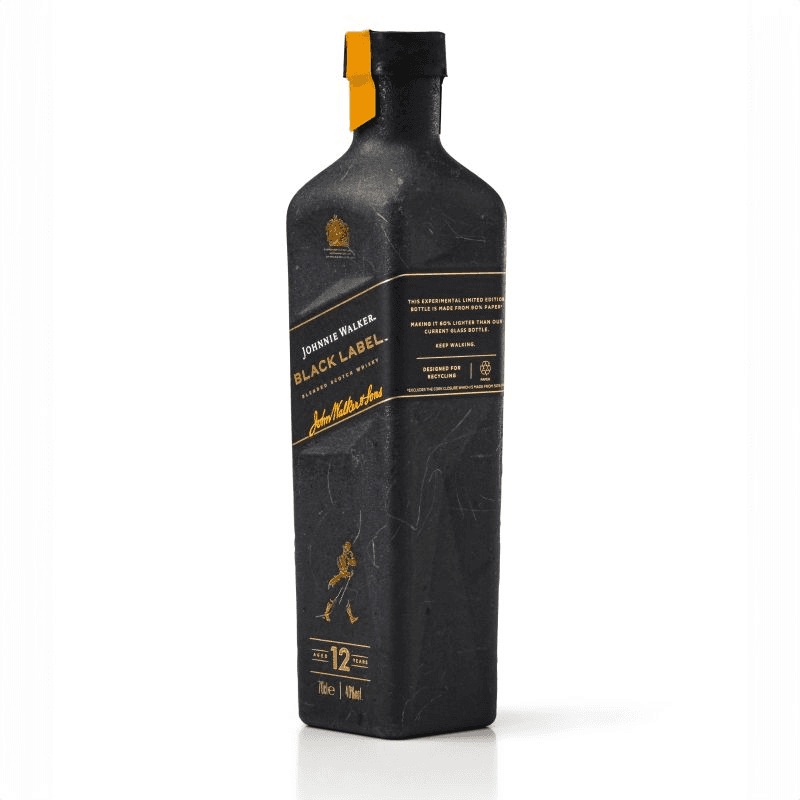
Diageo created a live consumer trial in real-world conditions for a 70cl paper bottle made from 90% paper and filled with Johnnie Walker Black Label whisky. The execution was around 60% lighter than traditional glass, with almost half the CO2e.
Why now?
The plastic conversation finally has teeth.
Sustainable packaging has been a nice-to-have. A line in a press release. Something companies gestured at without fully committing to. That’s changed. Consumers are paying attention, retailers are setting sustainability requirements, and legislation in several states is pushing plastic out of the equation whether companies are ready or not. In the US, Extended Producer Responsibility (EPR) legislation has already gained serious traction at the state level: seven states have now passed packaging EPR laws, including California, Colorado, Oregon, Maine, Minnesota, Maryland, and Washington. These laws place the financial responsibility for packaging waste management on the companies producing the packaging, with mandates for full recyclability and phasing out problematic single-use plastics looming, and more states are expected to follow.
Molded fiber is made from recycled paper pulp, or agricultural byproducts from sugarcane, bamboo and more. It can be renewable, recyclable, compostable, and plastic-free. It checks every box the current moment demands.
Better looking than ever
Early molded fiber had a utilitarian feel, functional, but not something you would design around. However, recent advances in tooling and finishing mean molded fiber can now be produced with smooth surfaces and a level of structural precision that makes it viable for every category, from stand-out freezer placements to high-end product categories. To name just a few: Apple, Nike, Dyson, and Chanel have all recently leaned into new molded fiber packaging solutions.
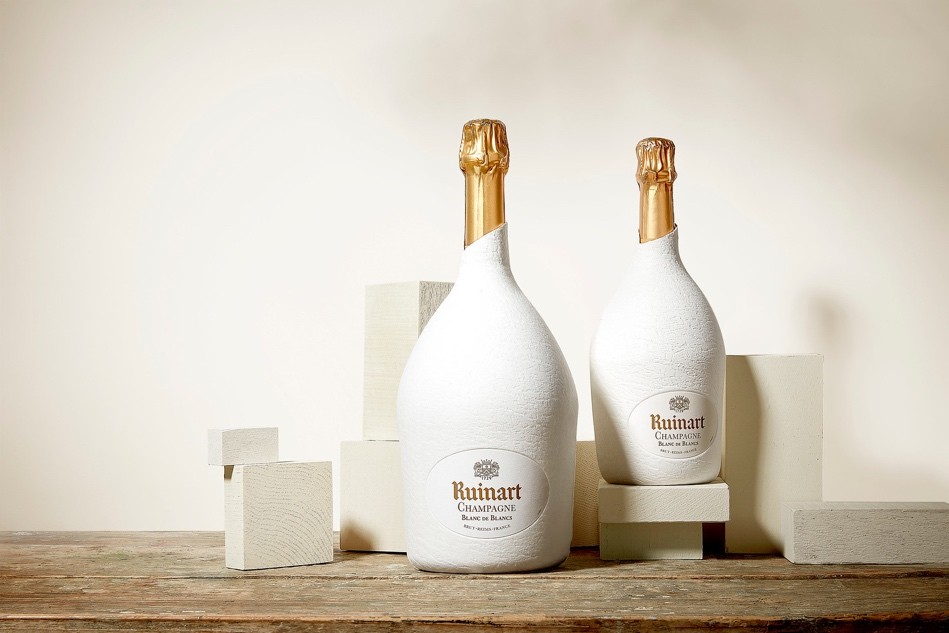
Beauty brands, food companies, and consumer goods manufacturers are using it not just because it’s sustainable, but because it looks and feels good. That matters on a shelf, and it matters in an unboxing moment. The Champagne brand Ruinart has created a “Second Skin" packaging entirely from molded fiber, perfectly shaped to the bottle. In so doing Ruinart won multiple design awards, reduced their carbon footprint by 60%, and the molded fiber packaging is nine times lighter than the box it replaced.
A replacement for unpopular packaging solutions.
Plastic clamshells. Foam inserts. Plastic window panels on cartons. These are the formats that have drawn the most scrutiny from consumers, from retailers, and from companies themselves. Molded fiber offers a credible, scalable alternative for all these stakeholders.
Alpine Printing and Packaging has been watching this shift closely and sourcing molded fiber solutions that meet the quality bar our customers expect. It’s not the right format for every application, but for brands asking the right questions about their packaging, molded fiber is increasingly the right answer.
The bottom line
Molded fiber’s moment is not a trend, but the result of several long-building forces arriving at the same time: regulatory pressure, consumer expectation, and genuine material innovation, including fine-edge tooling, smooth surface finishing, and PFAS-free moisture barriers. All Brands that explore it now will be ahead. Companies that wait will be catching up.
Published by the Alpine Printing and Packaging team.
Molded fiber has been around for decades, used quietly in egg cartons and wine shippers, but this year it has starred in some of the most design-forward packaging on the shelf. Though the material isn’t new, what brands are doing with it is.
Diageo created a live consumer trial in real-world conditions for a 70cl paper bottle made from 90% paper and filled with Johnnie Walker Black Label whisky. The execution was around 60% lighter than traditional glass, with almost half the CO2e.
Why now?
The plastic conversation finally has teeth.
Sustainable packaging has been a nice-to-have. A line in a press release. Something companies gestured at without fully committing to. That’s changed. Consumers are paying attention, retailers are setting sustainability requirements, and legislation in several states is pushing plastic out of the equation whether companies are ready or not. In the US, Extended Producer Responsibility (EPR) legislation has already gained serious traction at the state level: seven states have now passed packaging EPR laws, including California, Colorado, Oregon, Maine, Minnesota, Maryland, and Washington. These laws place the financial responsibility for packaging waste management on the companies producing the packaging, with mandates for full recyclability and phasing out problematic single-use plastics looming, and more states are expected to follow.
Molded fiber is made from recycled paper pulp, or agricultural byproducts from sugarcane, bamboo and more. It can be renewable, recyclable, compostable, and plastic-free. It checks every box the current moment demands.
Better looking than ever
Early molded fiber had a utilitarian feel, functional, but not something you would design around. However, recent advances in tooling and finishing mean molded fiber can now be produced with smooth surfaces and a level of structural precision that makes it viable for every category, from stand-out freezer placements to high-end product categories. To name just a few: Apple, Nike, Dyson, and Chanel have all recently leaned into new molded fiber packaging solutions.
Beauty brands, food companies, and consumer goods manufacturers are using it not just because it’s sustainable, but because it looks and feels good. That matters on a shelf, and it matters in an unboxing moment. The Champagne brand Ruinart has created a “Second Skin" packaging entirely from molded fiber, perfectly shaped to the bottle. In so doing Ruinart won multiple design awards, reduced their carbon footprint by 60%, and the molded fiber packaging is nine times lighter than the box it replaced.
A replacement for unpopular packaging solutions.
Plastic clamshells. Foam inserts. Plastic window panels on cartons. These are the formats that have drawn the most scrutiny from consumers, from retailers, and from companies themselves. Molded fiber offers a credible, scalable alternative for all these stakeholders.
Alpine Printing and Packaging has been watching this shift closely and sourcing molded fiber solutions that meet the quality bar our customers expect. It’s not the right format for every application, but for brands asking the right questions about their packaging, molded fiber is increasingly the right answer.
The bottom line
Molded fiber’s moment is not a trend, but the result of several long-building forces arriving at the same time: regulatory pressure, consumer expectation, and genuine material innovation, including fine-edge tooling, smooth surface finishing, and PFAS-free moisture barriers. All Brands that explore it now will be ahead. Companies that wait will be catching up.
Published by the Alpine Printing and Packaging team.